Can Fish Oil Improve Sperm Count and Sperm Motility? The Evidence on Omega-3 and Male Fertility

When couples are trying to conceive, much of the attention is often focused on female fertility. However, male factors contribute to approximately 40–50% of infertility cases, making sperm health an important piece of the fertility puzzle.
Emerging research suggests that omega-3 fatty acids may play an important role in sperm production, sperm motility, morphology and overall semen quality. While omega-3s are not a magic solution, it can vastly improve fertility outcomes.
Why is omega-3 important?
Sperm cells contain particularly high concentrations of DHA (a type of omega-3) within their cell membranes.
These fatty acids (DHA) help maintain:
Sperm membrane fluidity
Sperm maturation
Sperm movement (motility)
Protection against oxidative stress
Production of sperms
Oxidative stress is one of the major contributors to sperm DNA damage and poor semen quality. Omega-3 fatty acids possess anti-inflammatory properties and may help reduce oxidative damage within the reproductive tract.
Benefits on sperm motility
Sperm count may appear within the normal range but if the sperm can’t swim towards the egg, chance of fertilisation is reduced.
A systematic review and meta-analysis found that omega-3 supplementation significantly improved sperm motility in infertile men. Researchers also observed increases in DHA concentrations within seminal fluid, suggesting that supplementation was directly altering sperm composition.
Benefits on sperm count and concentration
Several studies have demonstrated improvements in sperm concentration and total sperm count following omega-3 supplementation.
A large systematic review and meta-analysis examining nutritional interventions for male fertility reported increases in both sperm concentration and sperm count among 70 men with low sperm count (oligospermia) receiving omega-3 supplementation (1 g twice daily) for 12 weeks. The intervention group showed a significant increase in sperm count, with 76% achieving normospermia compared with only 10% in the placebo group.
How much omega-3 do men need for fertility?
Sperm development takes around 70-90 days.
There is no universally agreed fertility-specific dosage but a duration of 12 weeks or longer is recommended.
Aim for 2-3 palm-sized portions of oily fish weekly (e.g. salmon, tuna, mackerel, sardines)
Plant sources: Flaxseeds, walnuts, chia seeds
A high-quality omega-3 supplement is recommended in addition to this but dosage will need to be individualised based on medical history and diet.
Omega-3 to Omega-6 balance matters
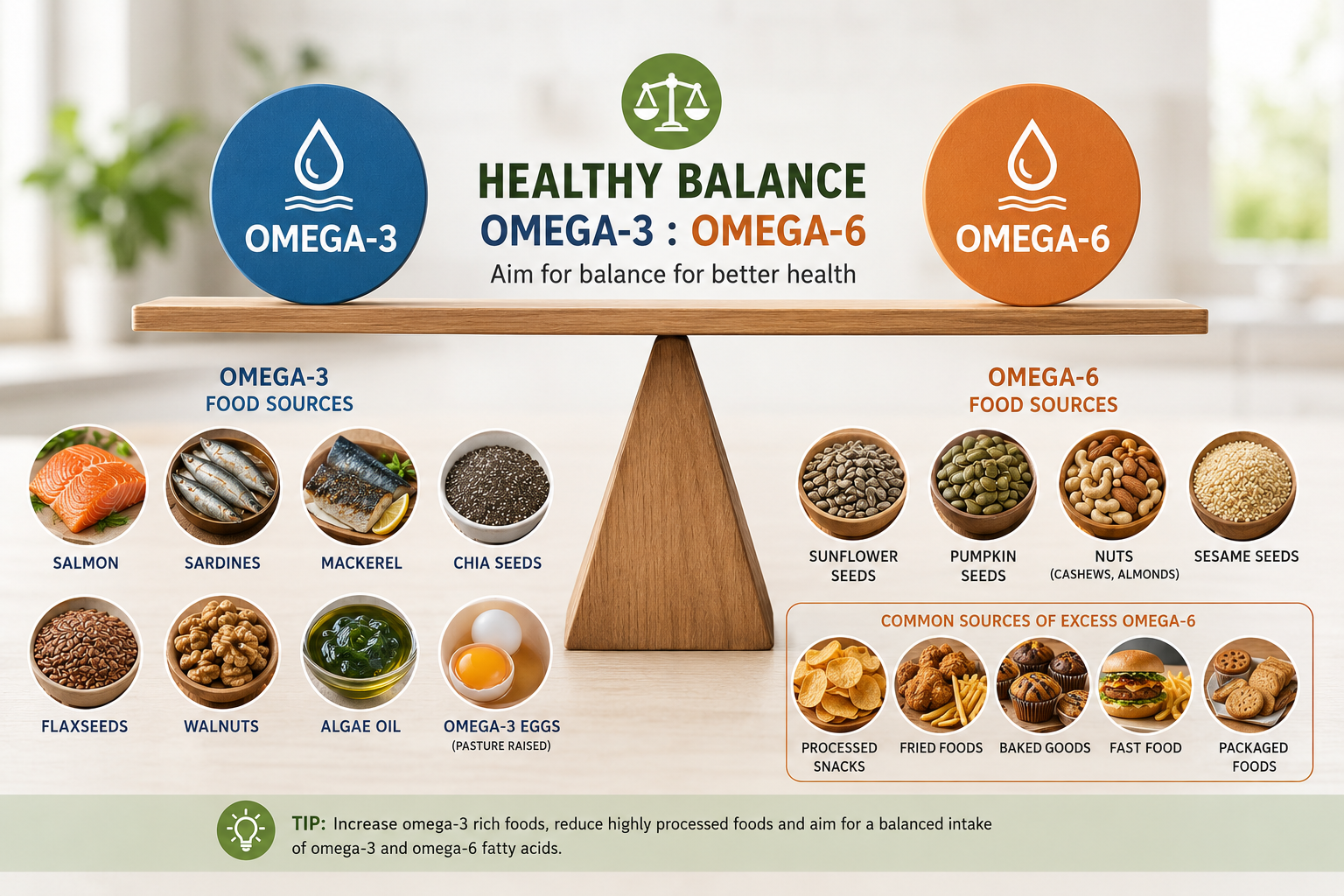
Omega-6 fats are not inherently unhealthy
However, modern diets often provide far more omega-6 than omega-3. This imbalance has been associated with:
Increased oxidative stress
Increased inflammation
Increased DNA fragmentation
Omega-3 is only one piece of the puzzle
While omega-3s show promise, no single nutrient can overcome the effects of poor lifestyle habits.
For optimal sperm health, research consistently supports:
Maintaining a healthy weight
Regular physical activity
Adequate sleep
Limiting alcohol intake
Avoiding smoking and vaping
Managing stress
Eating a nutrient-rich diet and hydrating adequately
Other nutrients that have demonstrated potential benefits for sperm health include zinc, selenium, CoQ10 and antioxidants.
The Bottom Line
Current evidence suggests that omega-3 fatty acids from fish or fish oil supplements may improve several important markers of male fertility, including sperm count, concentration, motility and morphology.
While omega-3 supplements are not a standalone treatment for infertility, they may form an important part of a comprehensive fertility nutrition strategy alongside a healthy diet and lifestyle.
If you and your partner are trying to conceive, remember that fertility is a team effort. Assessing and optimising male nutrition can be just as important as supporting female fertility.
If you'd like personalised advice on improving fertility through nutrition, book an appointment with Nutrition Revitalised to develop a targeted nutrition plan tailored to your individual needs.
References:
Roussev, Bogdan, Sokrateva, Todorka, Nenkova, Galina, Salim, Ayshe, Ivanova, Diana, Fish Consumption Once a Week Improves Sperm Quality and Testosterone Levels, Andrologia, 2024. https://doi.org/10.1155/2024/4680357
Yang, X. Y., Wei, S. Q., & Zheng, P. S. (2025). Dietary Fatty Acids as Modulators of Sperm Quality - From Molecular Pathways to Nutritional Interventions. Journal of Dietary Supplements, 22(6), 870–886. https://doi.org/10.1080/19390211.2025.2539882
Munira, S. M., Lasker, N., Laila, R., Akter, A., Banu, J., & Ishrat, S. (2024). Effect of omega 3 fatty acid in infertile males with oligozoospermia. International Journal of Reproduction, Contraception, Obstetrics and Gynecology, 13(2), 270–276. https://doi.org/10.18203/2320-1770.ijrcog20240121