5 Gut-Friendly Foods to Reduce Gut Inflammation

Chronic gut inflammation can contribute to bloating, fatigue and digestive discomfort when the gut microbiome and intestinal lining are out of balance. While foods alone aren’t a treatment for disease, a nutrient-rich, balanced diet can support your body’s own repair processes and promote a more resilient digestive system.
Here are my top 5 foods to improve gut inflammation:
Fermented foods
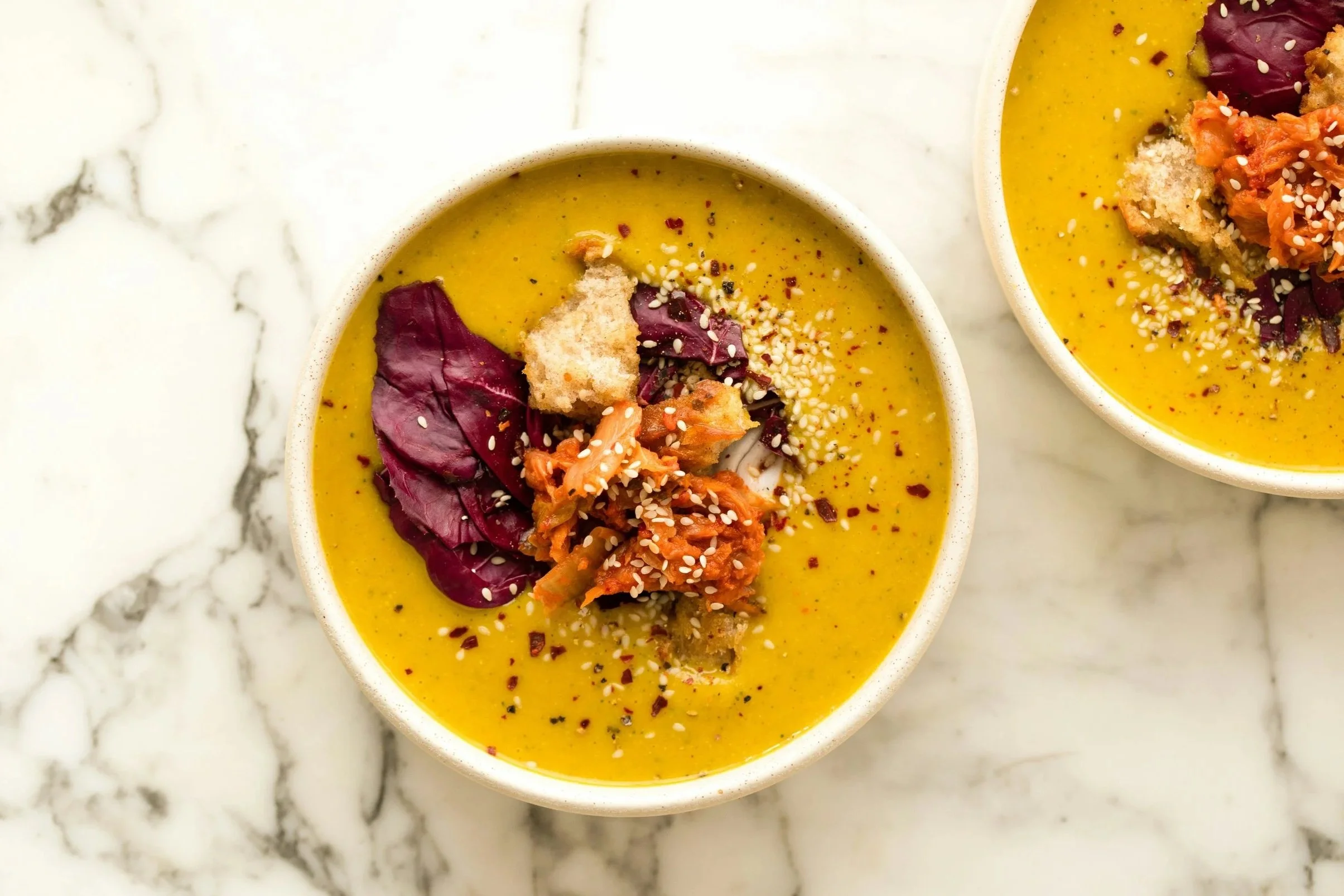
Fermented foods provide live cultures that can help support microbiome diversity. A more diverse gut population - a feature often associated with healthier gut immune responses. Options include plain yoghurt, kefir, sauerkraut or other fermented vegetables. Start with small servings and increase as tolerated.
2. Herbs & spices
Many herbs and spices contain bioactive compounds that influence the body’s inflammatory pathways.
Turmeric (curcumin) - combine with pepper for better absorption
Ginger (gingerols, shogaols)
Garlic (allicin and sulfur compounds)
Cinnamon (polyphenols, cinnamaldehyde)
Cloves (eugenol)
Green tea (epigallocatechin gallate - EGCG)
Rosemary (rosmarinic acid, carnosic acid)
Use fresh when possible as they have stronger effects than dried. Rotate varieties to get a broad range of compounds and more benefits.
Combine these with healthy fats (olive oil/avocado) for better absorption.
3. Green leafy vegetables
Vegetables such as spinach, kale and brussel sprouts are rich in antioxidants, fibre and micronutrients that help support healthy digestion. These nutrients also contribute to a diverse gut microbiome, which is linked with lower markers of inflammation. Choose steamed, sautéed or raw in salads for variety.
4. Berries
Berries like blueberries, strawberries and gooseberries are high in polyphenols and fibre, which act as prebiotics (food for beneficial gut bacteria). Their antioxidant content may help reduce oxidative stress in the digestive tract, an important part of calming inflammatory pathways.
5. Omega-3 rich foods
Fatty fish like salmon or mackerel and plant sources such as flaxseeds are rich in omega-3 fatty acids. Omega-3s are associated with anti-inflammatory effects in the body and can support cell health within the gut lining when included as part of a balanced dietary pattern.
A gentle reminder that everyone’s gut is different, so foods that help one person may not suit another. This information is general and meant as a starting point only. If you have existing digestive concerns or food intolerances, personalised advice to support your gut health is highly recommended.