Nutrition Through Perimenopause: What to Eat

Perimenopause is a phase many women go through (sometimes earlier than expected), and it’s more than just hot flushes and mood swings. Hormones like estrogen and progesterone naturally shift, and that impacts appetite, metabolism, blood sugar, bone and heart health. Nutrition isn’t a magic cure, but it can powerfully influence how you feel and age well.
Prioritising bone health early
Bone loss can begin well before menopause, partly due to fluctuating and declining oestrogen. Supporting bone health during perimenopause is an investment in fracture prevention later in life.
Focus on:
Calcium-rich foods: dairy (milk, yoghurt, cheese), calcium-fortified plant milks, fish, almonds, tahini
Vitamin D: essential for calcium absorption; oily fish, eggs and sunlight exposure are key, though supplementation is often needed
Protein: adequate protein supports bone matrix and muscle mass, which protects bones from falls and fracture risk
Weight-bearing exercise alongside nutrition remains one of the most powerful tools for bone health.
Magnesium: Sleep & nervous system support
Magnesium may support sleep quality, muscle relaxation and nervous system function, which can be helpful for women experiencing restless sleep or muscle tension.
Supplement forms with better absorption include:
Magnesium glycinate – commonly used to support sleep and relaxation
Magnesium citrate – well absorbed, though higher doses may cause loose stools
Food sources include leafy greens, nuts, seeds, legumes and whole grains, but therapeutic doses are often difficult to achieve through food alone.
*Always discuss with a health professional before starting any supplements to ensure they are safe and appropriate for you.
Blood sugar and energy stability
Hormonal shifts during perimenopause can reduce insulin sensitivity, contributing to fatigue, cravings and weight changes.
Helpful strategies include:
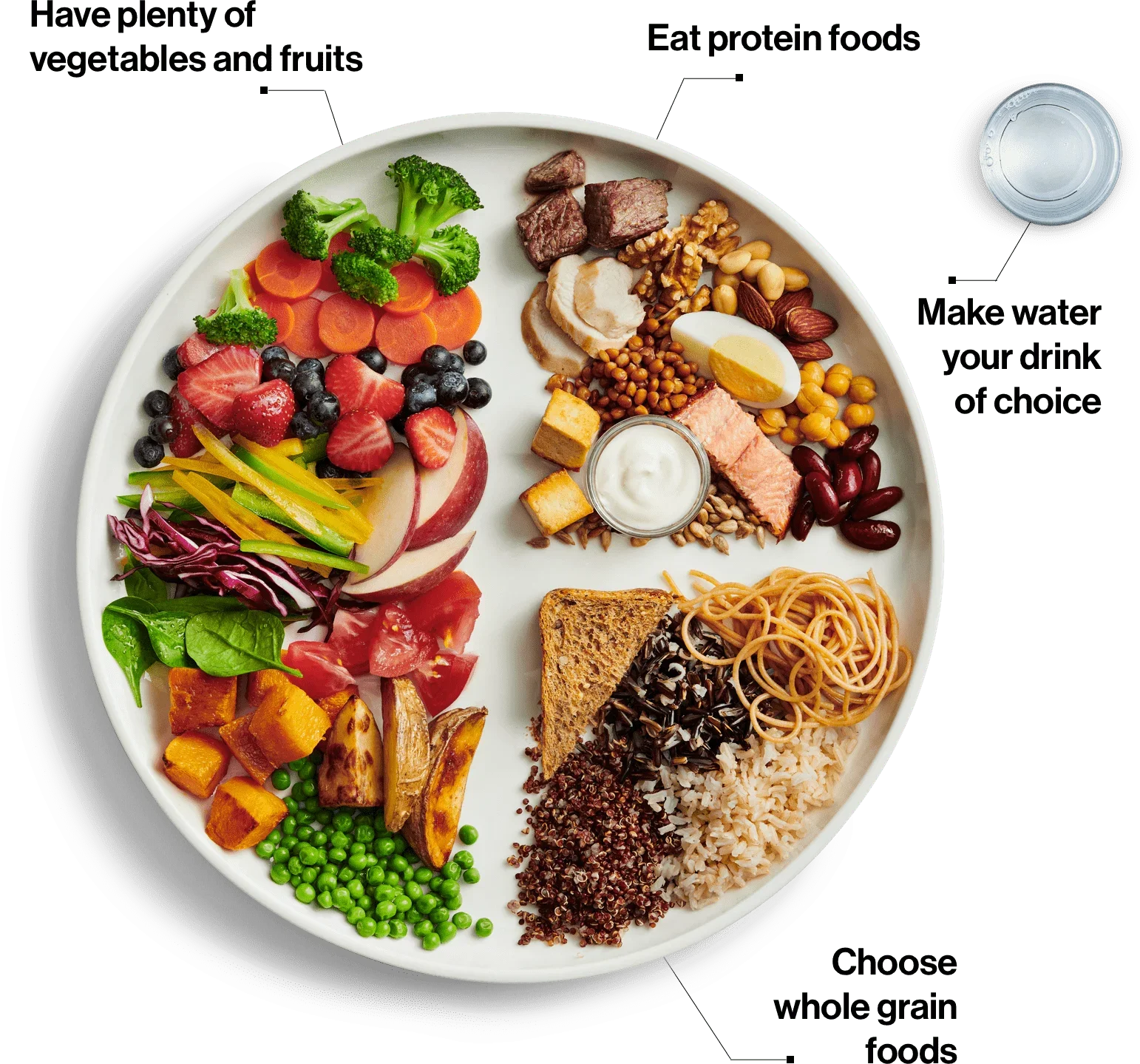
Prioritising protein and fibre at meals
Have a meal that contains 1/4 plate of carbs, 1/4 plate of protein and 1/2 plate of vegetables/fruits
Eating regularly to support stable energy levels
Reduce cardiovascular risk
Cardiovascular risk increases after menopause, making perimenopause an important time for prevention.
Focus on:
Omega-3 fats (oily fish, walnuts, flaxseeds)
Fibre from vegetables, legumes, fruit and whole grains
Potassium-rich foods to support blood pressure regulation
Key takeaway
Perimenopause is not just about managing symptoms in the moment - it’s also about protecting long-term health, including bone health, sleep and overall wellbeing. Focusing on a nutrient-dense diet, adequate protein, strength-based movement, and key minerals like magnesium can make a meaningful difference over time.
If symptoms are affecting your quality of life, personalised nutrition support can help you work out what your body actually needs, without unnecessary supplements or extreme dietary modifications.