Plant-Based and Well-Nourished: Yes, It’s Actually Possible!
Plant-based ≠ “Automatically Healthy”
Biscuits are plant-based, so are chips.
Nutritional adequacy comes from variety, planning, and enough food - not just removing animal products.
Here are some important things to take note of on a plant-based diet.
3 important blood tests
Vitamin B12
Non-negotiable! B12 is naturally only present in animal-based products. These days some cereals are fortified with B12.
Low B12 can cause fatigue, nerve symptoms, brain fog and pernicious anaemia.
Iron
Plant-based sources of iron contain a poorly absorbed version of iron (non-haem).
Vitamin D
Vitamin D deficiency is very common worldwide and not an issue exclusively for vegetarians. However, vegans are at an increased risk as dairy products and eggs are rich in vitamin D.
Key foods to include for nutritional adequacy
When variety is embraced, plant-based diets can shine too!
Proteins
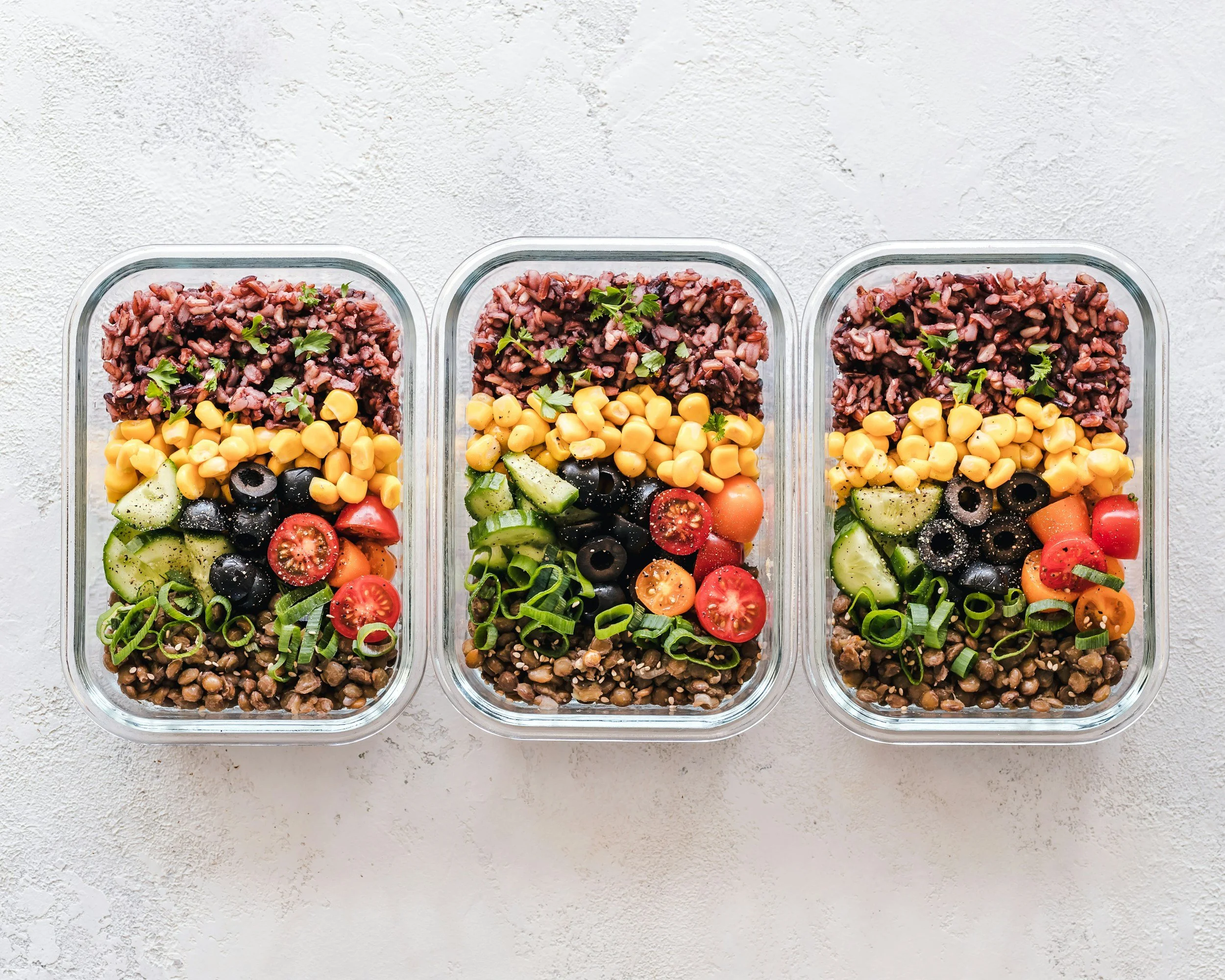
Aim for at least 1-2 sources of protein at every meal. Some great options are:
Legume varieties: Lentils, chickpeas, baked beans
Tofu, tempeh, edamame
Soy milk, soy yoghurt
Wholegrains like quinoa and buckwheat
A combination of nuts and seeds
Iron-rich plant foods
Pair your iron-rich foods with vitamin C-rich foods like red capsicum, citrus fruits, kiwi or tomatoes to boost iron absorption. Keep your iron-rich foods away from caffeine and green teas as they interfere with its absorption. Try:
Lentils and chickpeas
Black beans and kidney beans
Tofu and tempeh
Spinach and brussel sprouts
Pumpkin seeds
Omega-3 rich foods
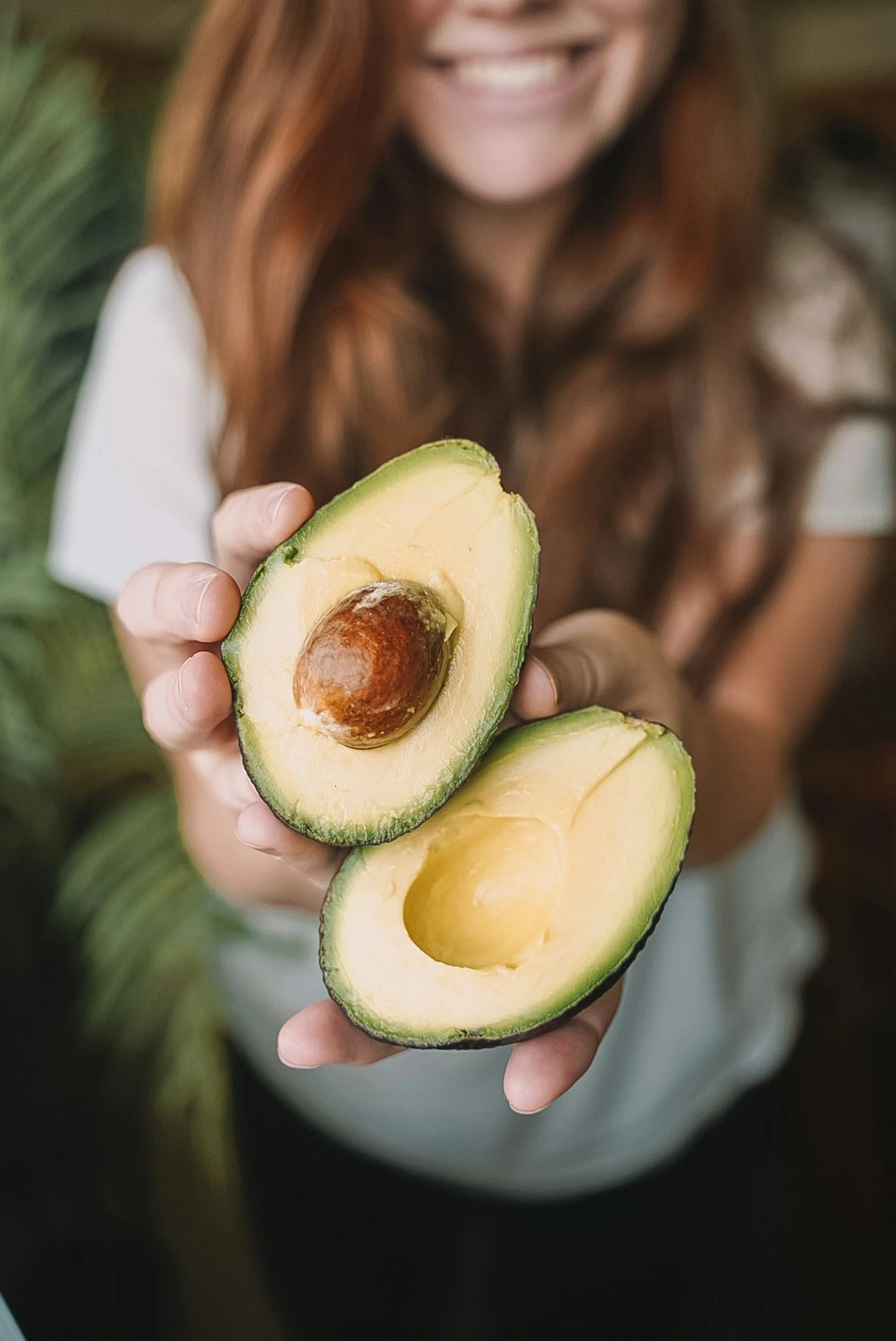
Olives and avocado
Walnuts and ground flaxseed/linseed
Hemp seeds and chia seeds
Extra virgin olive oil
Calcium and bone support
Fortified plant milks and yoghurts
Firm tofu
Tahini
Almonds
Green leafy vegetables
Eating plant-based doesn’t mean missing out on nutrients. With thoughtful food choices, routine blood checks, and targeted supplementation where needed, a plant-based diet can be both nourishing and sustainable.